The mango that broke a market
It is peak mango season in India. The Alphonso harvest is at its richest, the Kesar at its most fragrant.
India today stands as the world’s second-largest supplier of seafarers, a source of both pride and livelihood for thousands of families across coastal states.




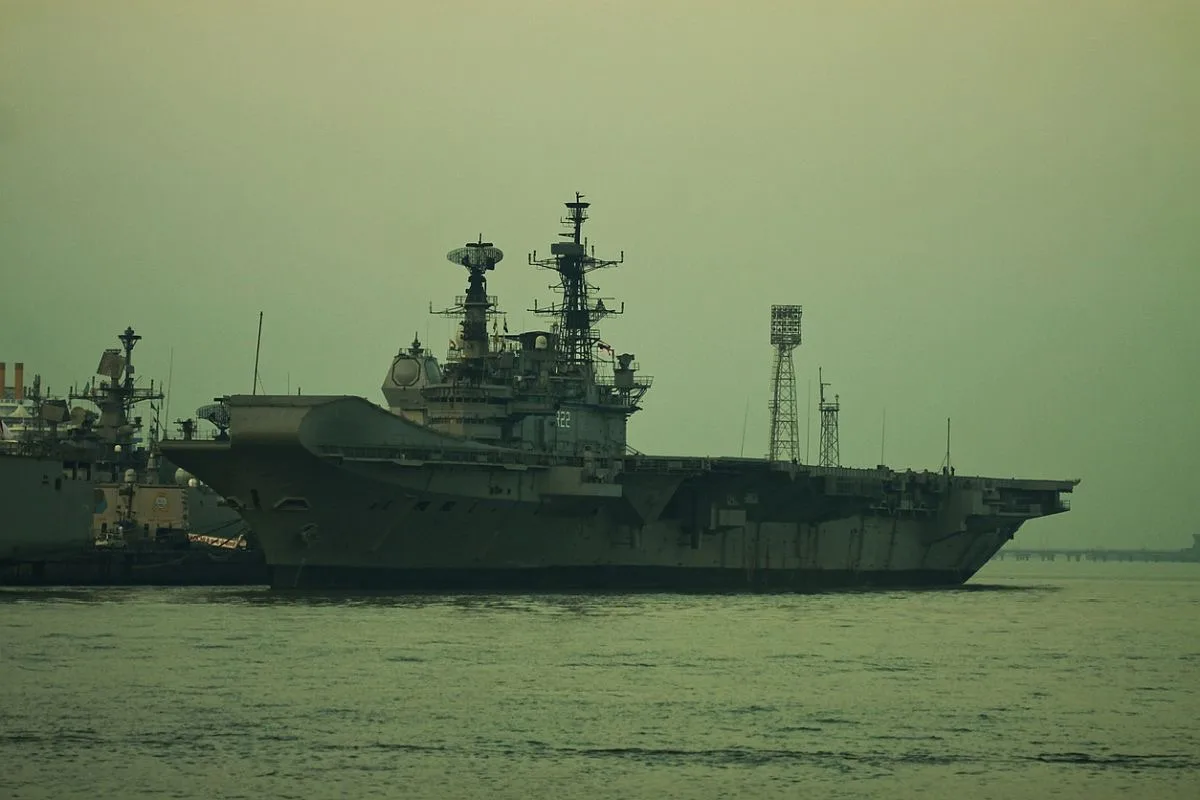
Representative image
India today stands as the world’s second-largest supplier of seafarers, a source of both pride and livelihood for thousands of families across coastal states. Yet, behind this statistic lies a troubling paradox: Indian sailors also top the global list of those classified as “abandoned” at sea. This contradiction reflects deep structural flaws in international shipping and an equally worrying gap in India’s own regulatory and welfare framework.
Abandonment, under the Maritime Labour Convention of 2006, occurs when ship-owners sever ties with their crew ~ refusing to pay wages, provide provisions, or ensure repatriation. For those trapped in such situations, the consequences are devastating. Crews are often left stranded for months, in some cases in conflict zones or near hostile shores, with limited food, dwindling fuel, and unpaid salaries that represent their families’ only financial hope. For families back home, each passing month without wages or news turns the uncertainty of the sea into a crisis of survival. A large part of the problem stems from the globalised and opaque character of the shipping industry.
Advertisement
Vessels frequently operate under “flags of convenience” ~ registrations in countries that impose minimal scrutiny and weak labour standards. This practice allows dubious owners to obscure accountability, even as they exploit the cheap and skilled labour of developing nations. It is telling that most abandoned ships in recent years sailed under such flags. But international opacity alone does not explain why Indian seafarers are disproportionately affected. Many Indian sailors borrow heavily or pay significant sums to recruitment agents to secure employment. For them, walking away from an abandoned ship without wages is financially ruinous. At the same time, India’s own maritime regulator, tasked with verifying owners, contracts, and placement agencies, has often been accused of lax oversight. Even when courts intervene to order settlements, wage recovery is frequently delayed or denied, compounding the distress of stranded crews. The moral and strategic case for reform is clear.
Advertisement
India benefits enormously from its reputation as a supplier of reliable maritime labour. But that reputation risks erosion if its seafarers remain the most vulnerable in the global fleet. The government must, therefore, enforce stricter scrutiny of recruitment agencies, establish fast-track mechanisms for wage recovery, and expand its diplomatic role in negotiating the safe repatriation of stranded crew. Equally, prospective sailors should be educated about the risks of opaque contracts and encouraged to report irregularities before signing employment papers. The seafaring profession has long been a bridge between India and the world, sustaining coastal economies and upholding the country’s global maritime presence. Protecting those who undertake this perilous work is not only a matter of labour rights but also of national credibility. Unless decisive steps are taken, India will continue to dominate an unenviable list ~ its sailors paying the heaviest price for an industry that thrives on invisibility.
Advertisement